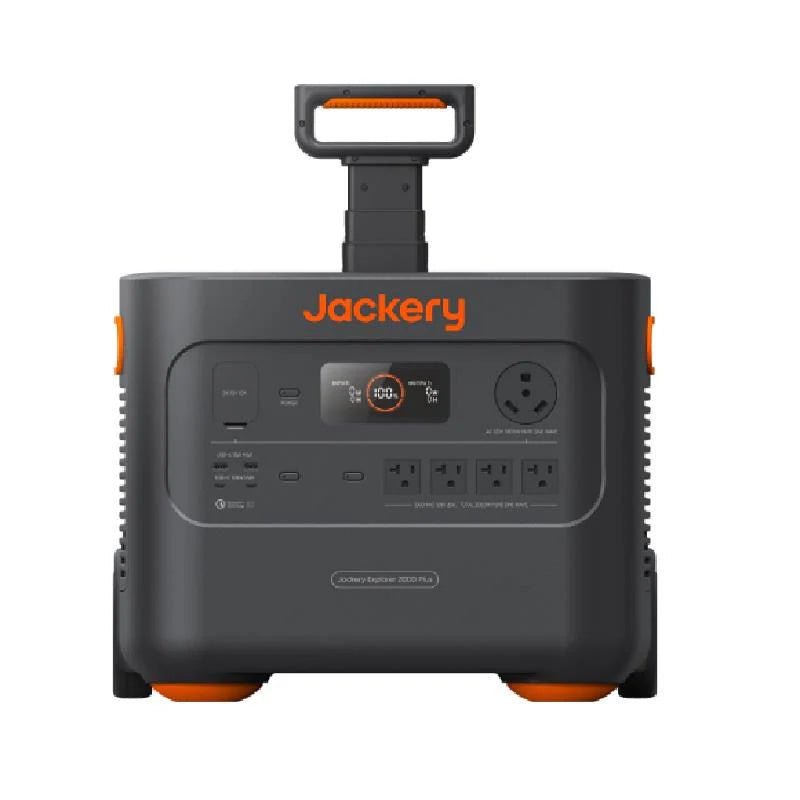
Best overall
Jackery Explorer 2000 Plus
2,042.8 Wh · 3,000 W · LiFePO4
$2,199
Price checked Sep 9, 2026
Power stations, standby generators, home batteries, folding solar panels. We sort them by the loads they are built to keep running, and every price on this site carries the day we checked it.
Nobody wakes up wanting a power station. You want the food to keep, the heat to hold, and the phones to charge before bed. Pick whichever question sounds like the one in your head.
Will the fridge make it to Sunday?
A closed fridge pulls about 150 watts and only runs a third of the time. Here is how to add up your own list before anything lands in a cart.
Read the sizing math
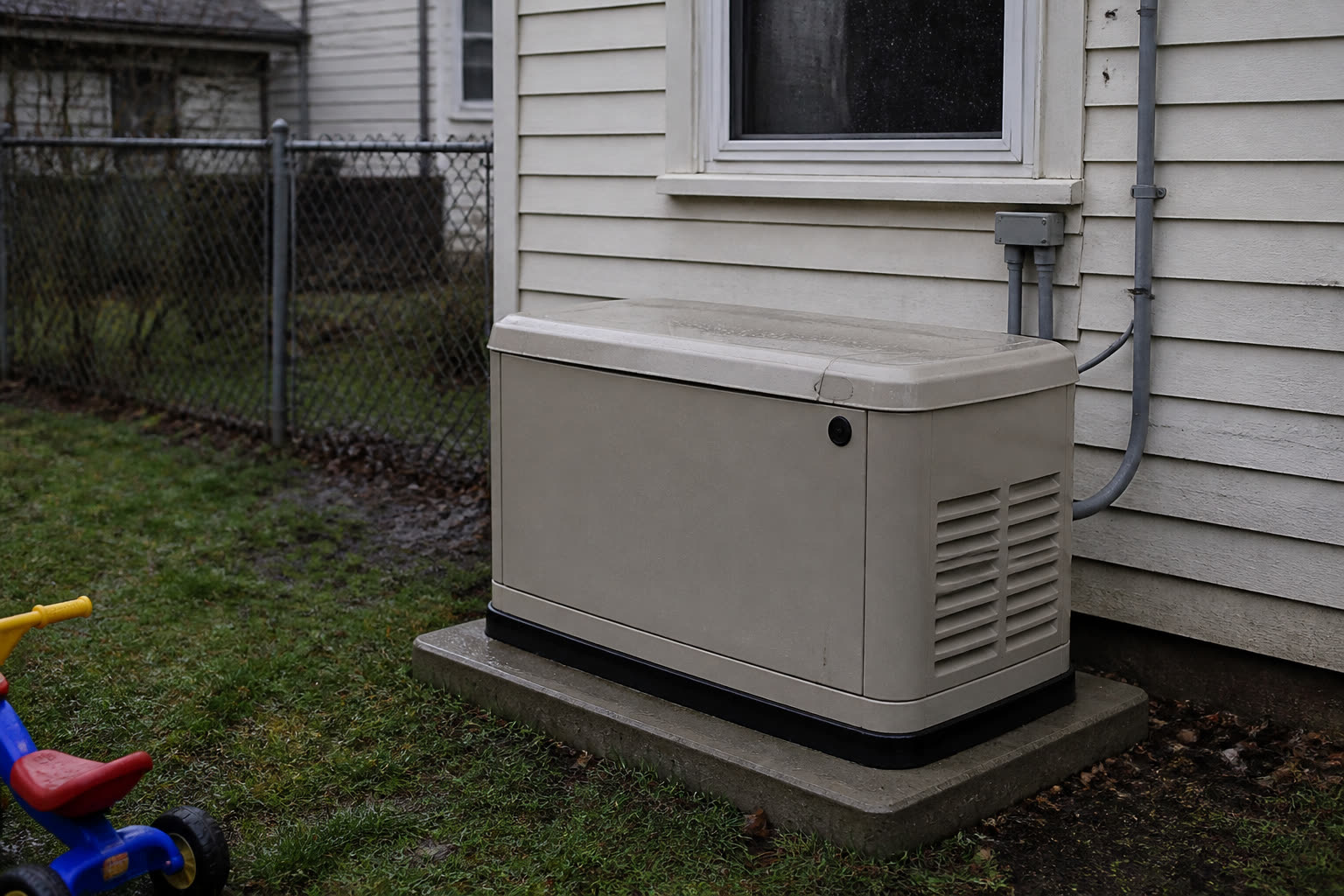
Does the whole house have to stay on?
A well pump, the furnace, three days of ice. That is a different machine and a real install with a permit on it. We will say plainly when it is your answer and when it is overkill.
Read about standby generators
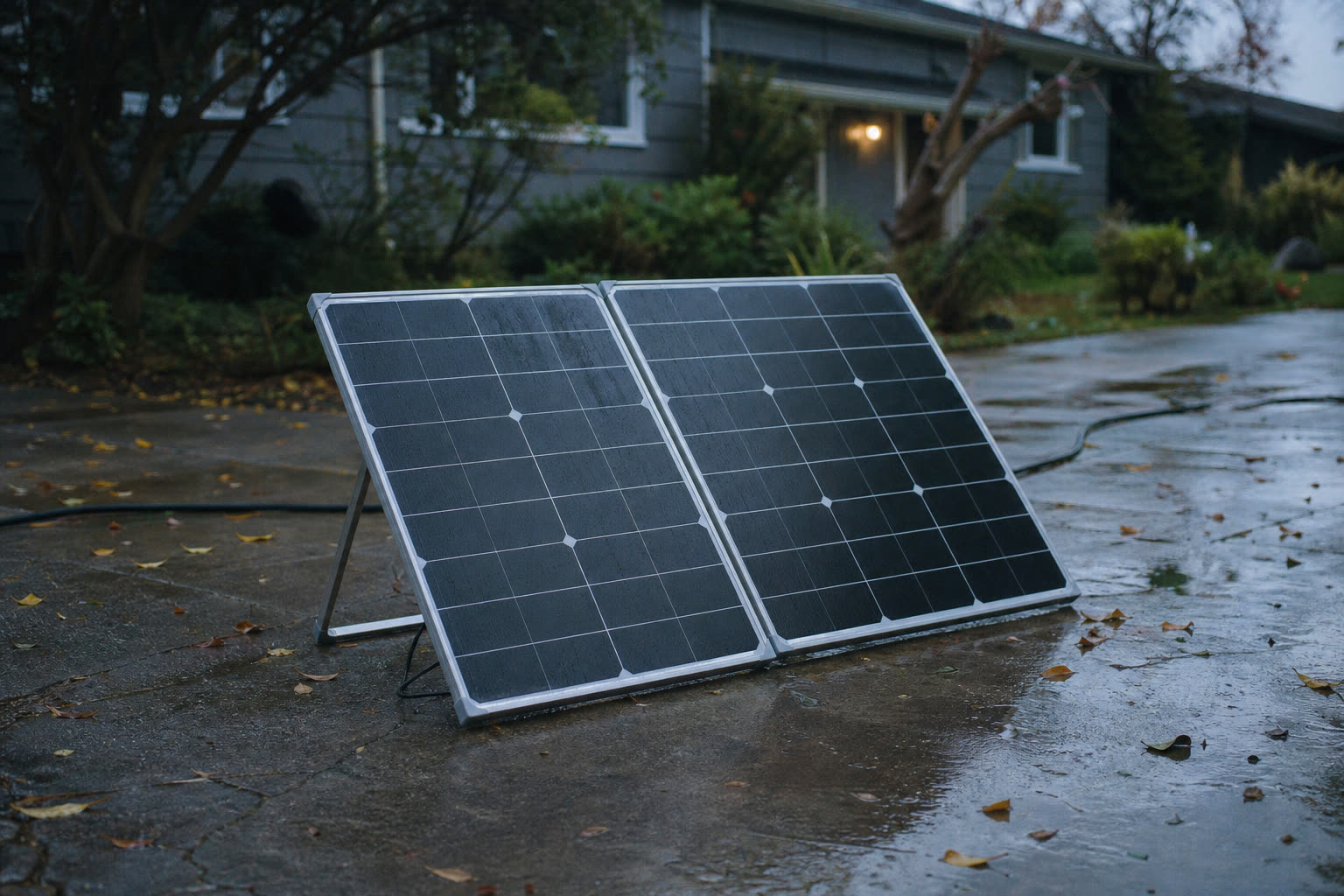
How do I refill the battery on day three?
Daylight, and somebody willing to go move the panel twice. One number decides whether your station will even accept a given panel: open-circuit voltage. Easier than it sounds.
Read the panel guide
Each one holds roughly 2 kWh, which is about two nights of refrigerator by the math above, and each is quiet enough to sit in the same room as. What separates them: weight, inverter headroom, and how far each can grow after you own it.
3 models in this category
2,042.8 Wh · 3,000 W · LiFePO4
$2,199
Price checked Sep 9, 2026
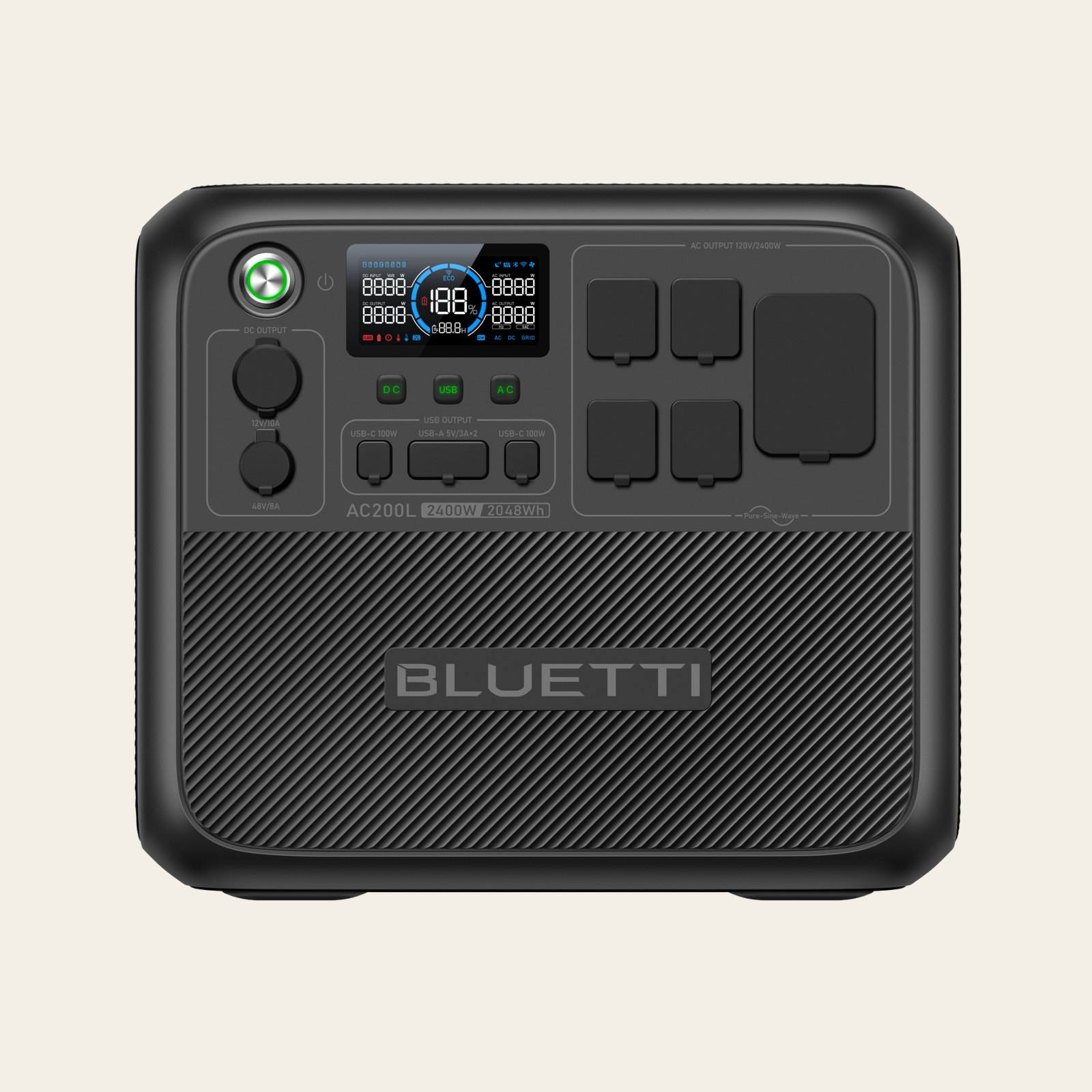
2,048 Wh · 2,400 W · LiFePO4
$899
Price checked Sep 9, 2026
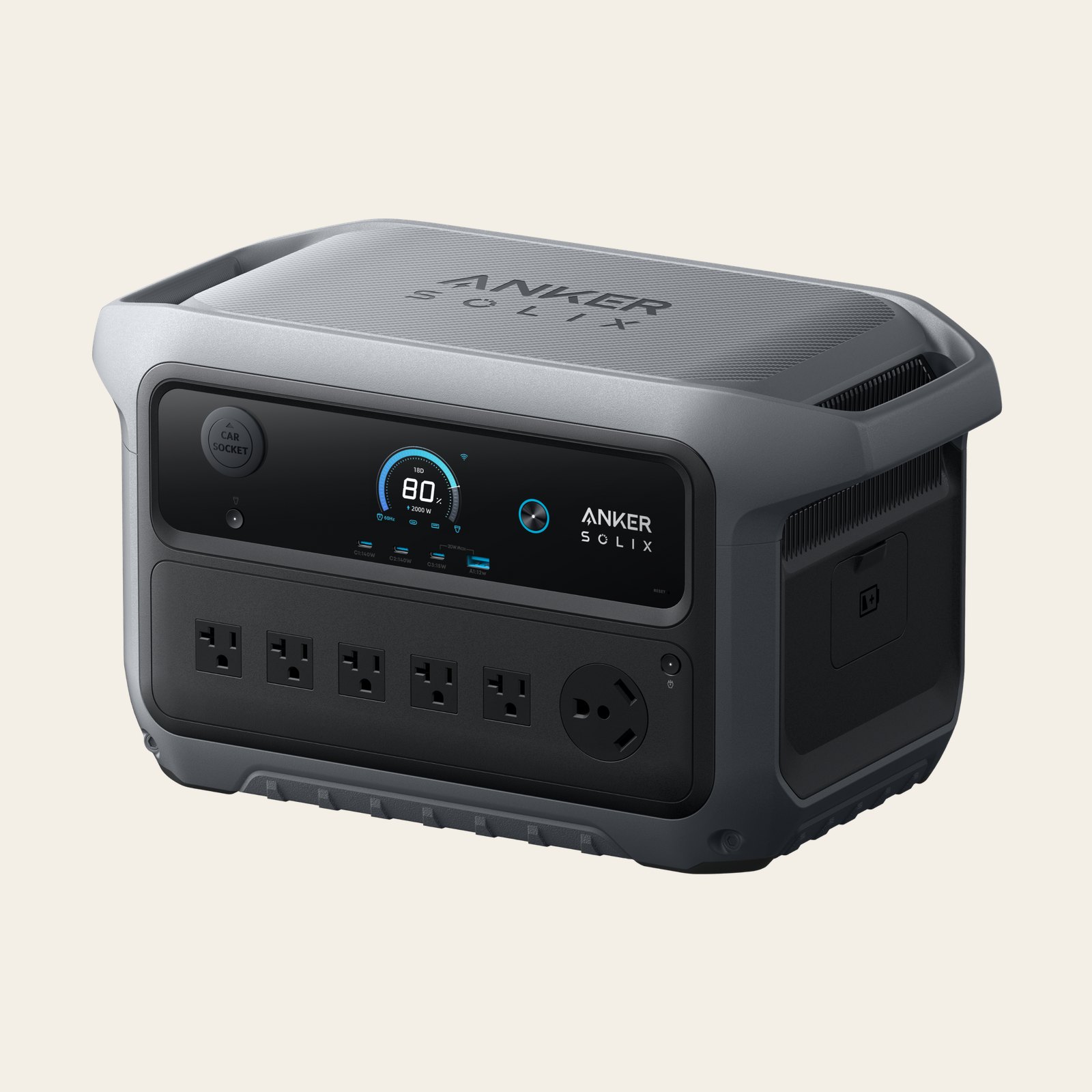
2,048 Wh · 2,400 W · LFP
$949.99 $999.99
Price checked Sep 9, 2026
Product photographs are the manufacturers’ own studio shots, used as supplied. Specifications and prices come from their US product pages, checked September 9, 2026.
| Model | Rated capacity | Rated output | Weight | Price |
|---|---|---|---|---|
| Explorer 2000 Plus, opens in a new tab Jackery | 2,042.8 Wh | 3,000 W | 61.5 lb | $2,199 |
| AC200L, opens in a new tab BLUETTI | 2,048 Wh | 2,400 W | 62.4 lb | $899 |
| C2000 Gen 2, opens in a new tab Anker SOLIX | 2,048 Wh | 2,400 W | 41.7 lb | $949.99 |
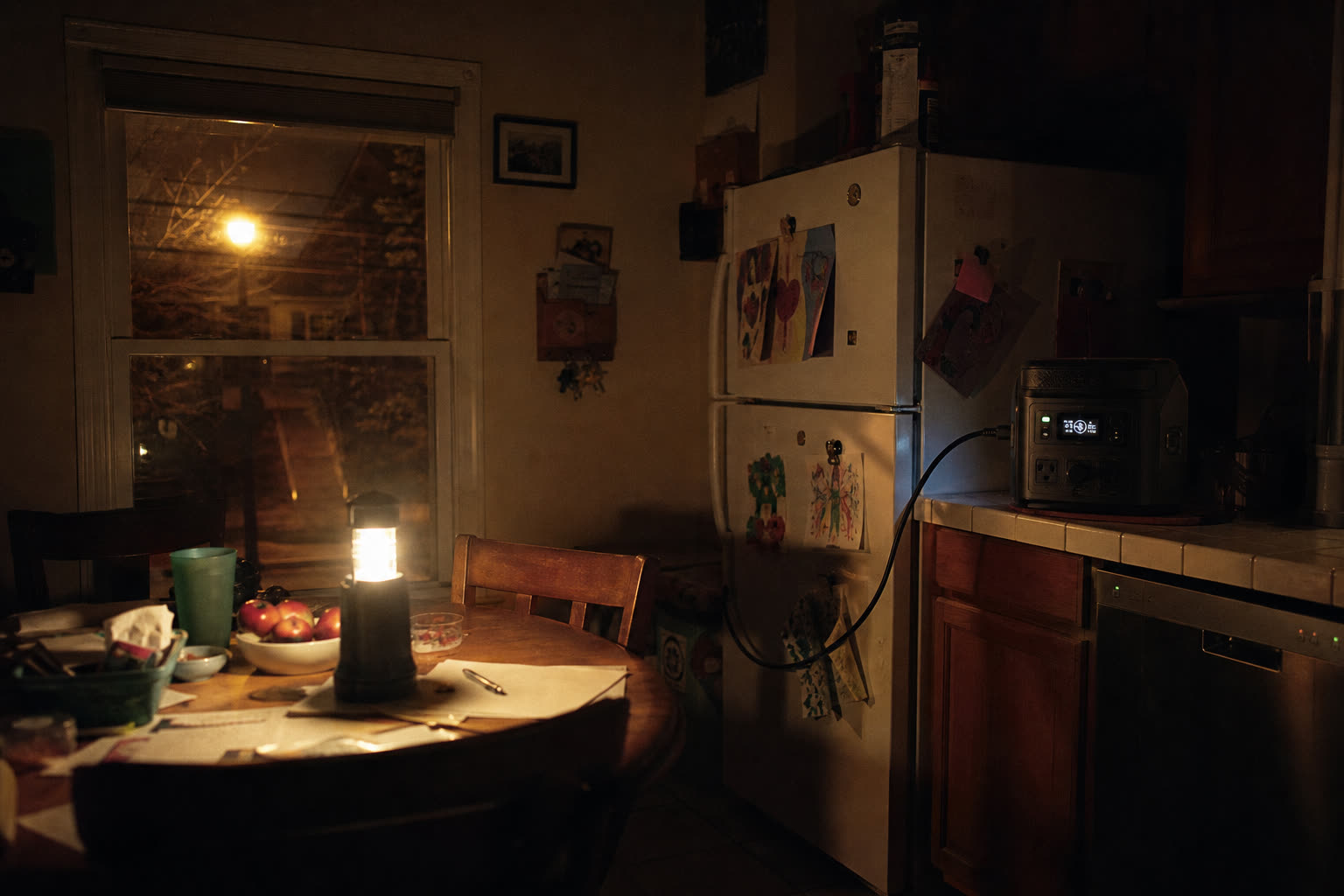
A closed fridge draws about 150 watts and runs maybe a third of the time. Put that against a 2 kWh tank and you get roughly two days. That is the whole ambition here: an outage that turns into board games instead of a trash bag of thawed chicken. What a station will run, what it will not, and how the night goes.
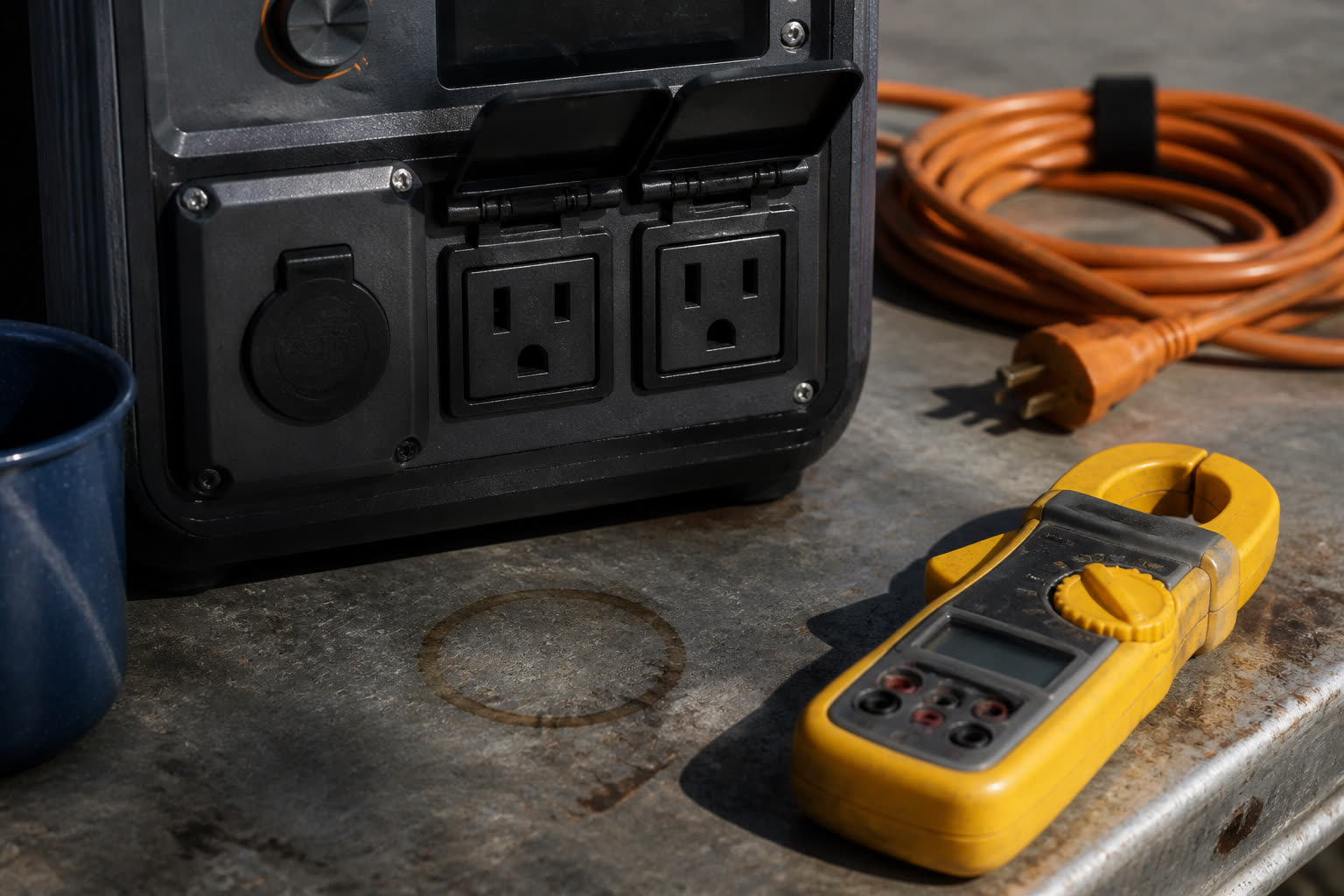 What a power station can really run in a house
The fridge, the router, a CPAP. Plus the two loads that will let you down if you ask.
What a power station can really run in a house
The fridge, the router, a CPAP. Plus the two loads that will let you down if you ask.
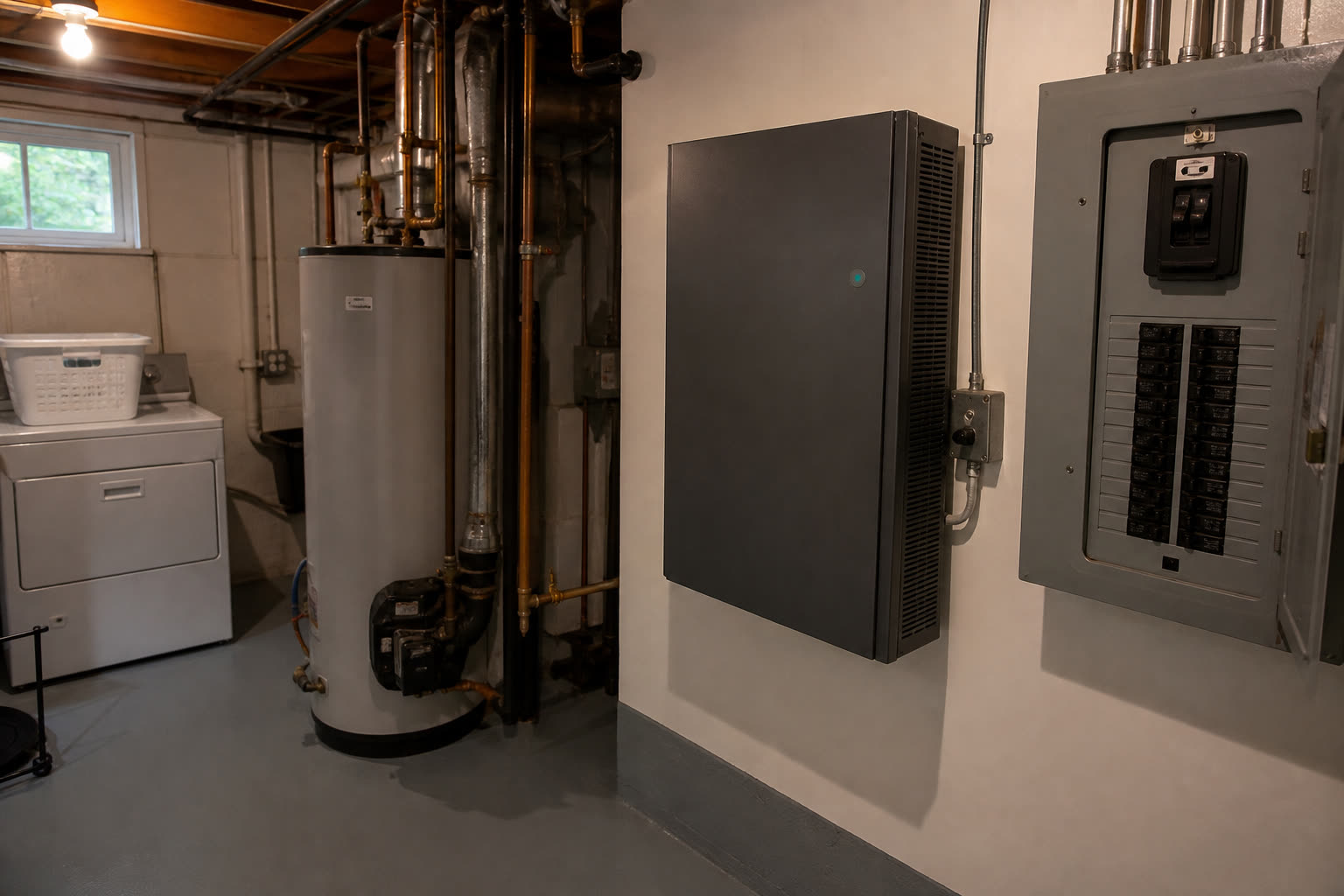 Home battery or standby generator?
A tank of stored electricity against an engine that keeps making more. Pick the physics that matches your storms.
Jackery, BLUETTI, or Anker SOLIX?
Three good families, three different futures: extra batteries, panel cables, and one 240-volt fork in the road.
What a whole-house generator really costs
The unit is the small number. The install is the invoice. Here is the whole thing, line by line.
Home battery or standby generator?
A tank of stored electricity against an engine that keeps making more. Pick the physics that matches your storms.
Jackery, BLUETTI, or Anker SOLIX?
Three good families, three different futures: extra batteries, panel cables, and one 240-volt fork in the road.
What a whole-house generator really costs
The unit is the small number. The install is the invoice. Here is the whole thing, line by line.
 The home batteries you can grow into
Start with one cabinet. Add capacity when a few outages have taught you what you actually need, including the cabinet that speaks 240 volts.
The home batteries you can grow into
Start with one cabinet. Add capacity when a few outages have taught you what you actually need, including the cabinet that speaks 240 volts.
One boundary, stated early: no rooftop solar here, and no Tesla Powerwall. If an installer is already on your roof with a tape measure, you are on the wrong site. We would rather say that now than waste your evening. More on the about page.